Thimphu:
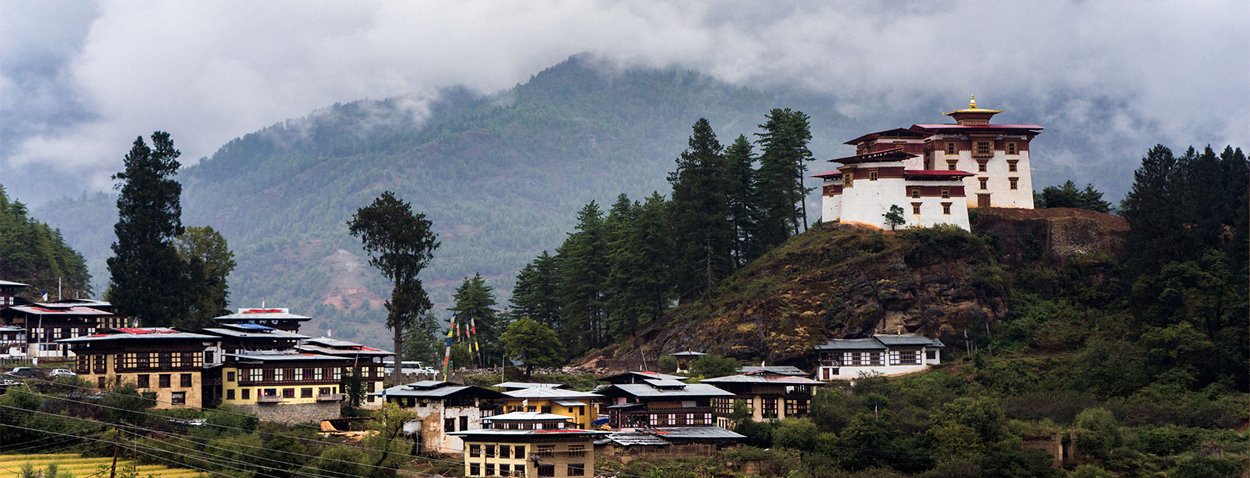
Thimphu, Bhutan’s capital, offers monasteries, Buddha Dordenma, Tashichho Dzong, local markets, cultural experiences, and a mix of tradition and modernity.
Punakha:
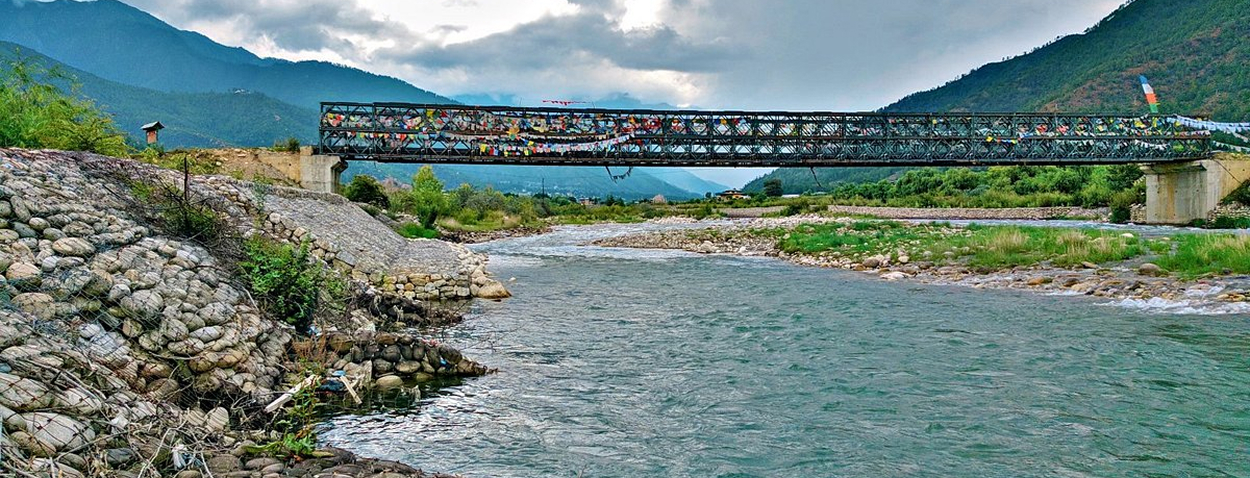
Punakha is known for Punakha Dzong, scenic valleys, rivers, suspension bridges, pleasant climate, and beautiful landscapes surrounded by mountains.
Paro:
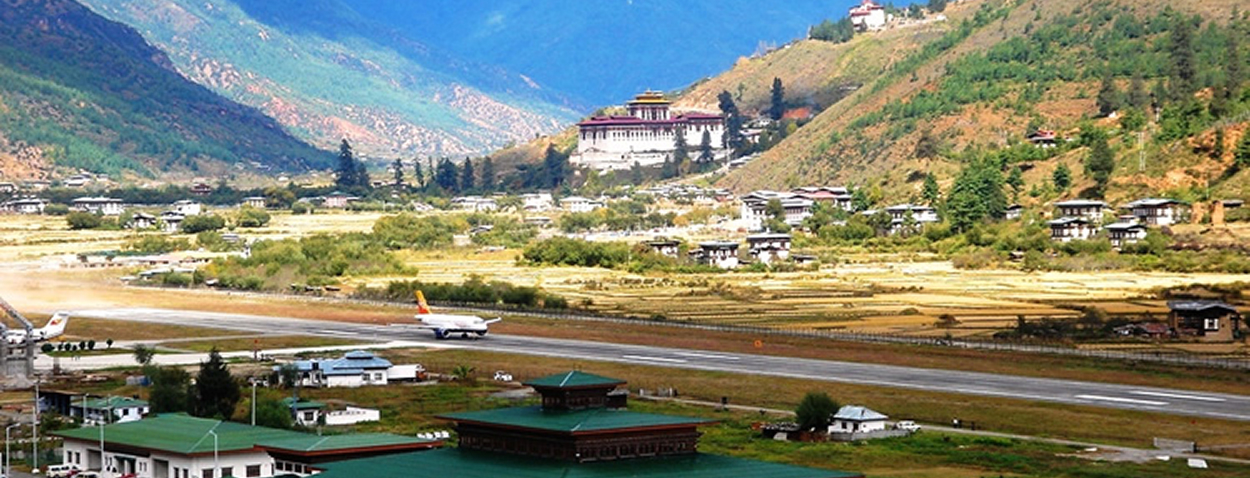
Paro is a scenic valley known for Tiger’s Nest Monastery, Paro Dzong, cultural heritage, river views, and peaceful Himalayan surroundings.
Accomodation 3 Star:
Day 01: Arrival at Paro-Transfer to Thimphu
On a clear day, the flight to Paro is one of the most spectacular of all mountain flights. Whether flying along the Himalayan range from Kathmandu or over foothills from Kolkata, the journey offers you wonderful views of the Himalayas and an exciting descent into the Kingdom.
On arrival at Paro airport, after immigration and custom formalities, you will be received by our representative. Enjoy the beautiful sceneries on the way and check into the hotel on arrival at Thimphu. Drive to visit the Buddha Point (KuenselPhodrang).
Located a short drive away from Thimphu city centre, visitors can get a panoramic view of the Thimphu valley from here. Attraction: Buddha Dordenma Statue, Simthokha Dzong and View of Thimphu city. Dinner and Rest.
Day 02: Thimphu Sightseeing
After breakfast, proceed for the guided tour of city’s main attractions that includes:
Simply Bhutan Museum:
The newly commissioned museum depicts the ancient Bhutanese architecture which is being lost to modernization. The best part is the portrayal of the age-old lifestyles of the Bhutanese people.
Memorial Chorten:
The stupa built in the memory of Bhutan's third King, His Late Majesty, the King Jigme Dorji Wangchuk, who is popularly regarded as Father of modern Bhutan. The paintings and statues inside the monument provide a deep insight into Buddhist philosophy.
Lunch followed by city tour that includes:
Textile Museum:
It is worth a visit to get to know the living national art of weaving. Exhibitions introduce the major weaving techniques, styles of local dress and textiles made by women and men.
Later, visit the Craft Bazaar which displays a wide range of alluring hand-woven textiles and craft products. The handicraft of Bhutan plays a key role in maintaining the country’s unique culture and tradition and also adds value to the Bhutan tourism industry.
Visit Tashichhodzong, “fortress of the glorious religion”. This is the center of government and religion, site of monarch’s throne room and seat of Je Khenpo or Chief Abbot. Built in 1641 by the political and religious unifier of Bhutan, Zhabdrung Ngawang Namgyal, it was reconstructed in 1960s in traditional Bhutanese manner, without nails or architectural plans. Rest at the hotel.
Day 03: Thimphu - Punakha sightseeing
After breakfast drive to Dochula Pass and enjoy the beautiful landscapes of the 108 Druk Wangyal Chortens.
Excursion to Chimi Lhakhang: The Chimi Lhakhang is situated on a hillock in the centre of the valley, also known as the temple of fertility. Walk through the village near the temple along the way enjoy the breath taking sceneries.
Visit, Punakha Dzong, built strategically at the junction of Pho Chhu and Mo Chhu rivers in 1637, by ShabdrungNgawangNamgyal to serve as the religious and administrative center of the region.
Later, visit the Suspension bridge, which is always adorned with colourful prayer flags, is the perfect example of this. Linking Punakha Dzong to Shengana, Samdingkha, and Wangkha villages across the Tsang Chu River (aka Po Chu), this is one of the longest suspension bridges in Bhutan. Yet, for a roughly 520-foot-long suspension bridge, it’s surprisingly stable. The bridge offers a spectacular view of the river and valley, and the east bank is a good starting point for multi-day treks in the nearby mountains. Check into the hotel and rest.
Day 04: Punakha Excursion
After breakfast, proceed for an adventurous excursion:
Khamsum Yuelley Namgyal Chorten; Hike to Khamsum Yuelley Namgyal Chorten. Standing regally on the hill above the Punakha valley, this Chorten is a classic example of gorgeous traditions and architecture of Bhutan. It was built by the Queen Mother for heading off the negative forces and transportation peace and harmony for all the living beings. The thing that sets this Chorten apart is that it was designed on the principals delineate within the Holy Scriptures instead of trendy engineering manuals. The golden spire and labyrinthine wall patterns square measure fine example of art and traditions of Bhutan. (2 Hrs.)
Post lunch, visit Sangchhen Dorji Lhuendrup Lhakhang Nunnery: Perched on a ridge amid pine trees and overlooking valleys of Punakha and Wangdue Phodrang, gleams the magnificent structures of Sangchhen Dorji Lhuendrup Lhakhang (Temple). The temple houses a 14-foot main bronze statue of Avalokiteshvara (Chenrigzig chagtong chentong). One of the biggest in the country was the handiwork of entirely local Bhutanese artisans. The temple complex also houses a permanent higher learning centre for nuns where, apart from religious trainings, it provides life skill training such as tailoring, embroidery, statue making and thangka painting. You can also get interacted with the nuns and learn their daily routine in the nunnery.
Overnight at the hotel.
Day 05: Punakha – Gangtey Sightseeing
After breakfast, drive to Gangtey and upon reaching, proceed for the following sightseeings:
Gangtey Goenpa, it is the venue to celebrate the coming of Black Neck Cranes to its winter roosting at Phobjikha valley, a monastery perched on a small hill rising from the valley floor. The monastery is in fact the only Nyingmapa monastery on the western side of the Black Mountains and the village that surrounds it is mainly inhabited by the families of the 140 gomchens (priests) who look after it. Celebrated in the courtyard of the Gangtey Goenpa in the Phobjikha valley, the annual Black-Necked Crane festival celebrates the return of the endangered and migratory birds to the region of Gangtey. The festival is organized to create awareness and understanding of conservation in Bhutan and is celebrated with cultural programs, masked dances and folk songs.
Gangtey Nature trail:
Take the beautiful Gangtey Nature trail; hike is a beautiful Nature walk along the Black Neck crane roosting area with the view of the lower 0Phobjikha valley. It is the most beautiful and shortest of the existing nature trail in Bhutan. The trail hike start from the Mani Stone wall stupa to the north of Gangtey Gompa and ends in Khewa Lhakhang. The hike takes around 45 minutes – one hour through the pine forest and small bamboo shrubs. You can spot some of the early arrival cranes from this hike on their roosting areas. (1Hr.30 Mins.)
The Black Necked Crane Visitor Centre:
Situated on the edge of the forest and wetland along the main road of Phobjikha valley, the Centre has an observation room equipped with a high power telescope and spotting scopes for catching the best view of the cranes. The centre also displays information that outline the natural and cultural history of the area. There is a small gift shop that sells handicrafts produced by the local people.
Overnight at the hotel.
Day 06: Gangtey - Paro Sightseeing
After breakfast drive back to Paro descending back down from Dochula. Later, after checking into hotel at Paro, proceed to visit Ta Dzong, originally built as Watchtower, which now houses National Museum. Then, visit Rinpung Dzong, meaning (“fortress of the heap of jewels”), which has a long and fascinating history. Overnight at the hotel.
Day 07: Hike to Tiger’s Nest
After breakfast at hotel proceed for full day excursion:
Excursion to Taktshang Monastery. It is one of the most famous of Bhutan’s monasteries, perched on the side of a cliff 900m above the Paro valley floor. It is popularly known as the “Tigers Nest”.
Evening: an exploratory walk around Paro Main Street and market area.
Overnight at the hotel.
Day 08: Paro Departure
After early breakfast at the hotel, drive to the airport for a flight to your onward destination. Our representative will explain the exit formalities and then bid you farewell.